


%201.png)

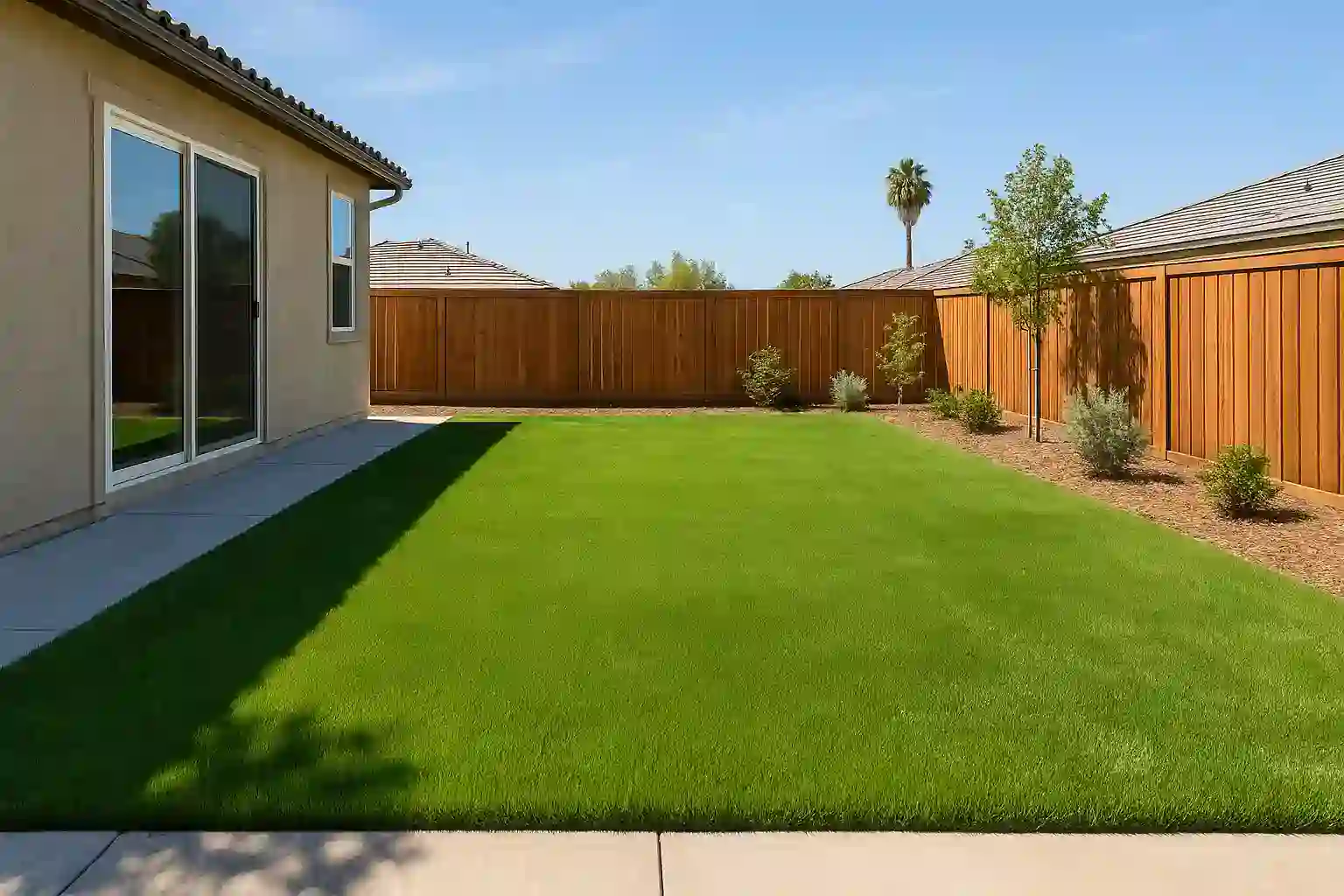
If you’re comparing artificial turf vs natural grass, you’re probably trying to decide which option makes the most sense for your yard long-term. This is one of the most common questions homeowners ask when upgrading their outdoor space.
Both options have their advantages, but the right choice depends on your lifestyle, maintenance preferences, and how you plan to use your backyard.
Understanding the differences between artificial turf vs natural grass will help you make a decision you won’t regret later.
What Is Artificial Turf?
Artificial turf is a synthetic grass surface designed to look and feel like natural grass without the need for constant maintenance.
Homeowners considering artificial turf vs natural grass often choose turf because it:
- Stays green year-round
- Requires little to no watering
- Eliminates mowing and fertilizing
- Handles heavy foot traffic well
Artificial turf has become a popular option for those who want a clean, low-maintenance outdoor space.
What Is Natural Grass?
Natural grass is the traditional option most homeowners are familiar with. It provides a soft, organic feel and blends naturally into the environment.
When comparing artificial turf vs natural grass, natural grass offers:
- A natural look and texture
- Cooler surface temperatures in direct sunlight
- Lower upfront installation cost
However, it also requires ongoing care to keep it looking its best.
Artificial Turf vs Natural Grass: Key Differences
To decide between artificial turf vs natural grass, it’s important to break down the main differences.
1. Maintenance Requirements
One of the biggest factors in artificial turf vs natural grass is maintenance.
- Artificial turf: Minimal upkeep, no mowing, watering, or fertilizing
- Natural grass: Requires regular mowing, watering, and seasonal care
For homeowners who want a low-maintenance yard, artificial turf is often the better choice.
2. Appearance Year-Round
Another major difference in artificial turf vs natural grass is consistency.
- Artificial turf: Stays green and clean all year
- Natural grass: Can turn brown or patchy depending on weather and care
If you want a lawn that always looks finished, artificial turf has a clear advantage.
3. Durability and Use
Backyards are meant to be used—not just looked at.
- Artificial turf: Handles heavy use, pets, and kids without damage
- Natural grass: Can wear down, develop bare spots, and require repairs
This is why many families comparing artificial turf vs natural grass lean toward turf for long-term durability.
4. Cost Over Time
Cost is a big factor when deciding between artificial turf vs natural grass.
- Artificial turf: Higher upfront cost but lower long-term maintenance expenses
- Natural grass: Lower initial cost but ongoing expenses for water, lawn care, and repairs
Over time, artificial turf can often be the more cost-effective option.
5. Environmental Considerations
Both options come with environmental trade-offs.
- Artificial turf: Reduces water usage but is made from synthetic materials
- Natural grass: Natural and biodegradable but requires water and chemicals
Homeowners searching artificial turf vs natural grass often weigh these factors based on their priorities.
Which Option Is Better for Your Backyard?
Choosing between artificial turf vs natural grass depends on how you plan to use your yard.
Artificial turf may be better if you:
- Want a low-maintenance solution
- Have pets or high foot traffic
- Prefer a consistently clean look
Natural grass may be better if you:
- Prefer a fully natural environment
- Don’t mind regular maintenance
- Want a lower upfront cost
There’s no one-size-fits-all answer, but understanding your needs will guide you to the right decision.
How Turf and Grass Fit Into a Full Outdoor Design
When homeowners search for artificial turf vs natural grass, they’re often planning more than just a lawn—they’re designing an entire outdoor space.
Both options can be paired with:
- Patios
- Fire pits
- Outdoor kitchens
- Walkways and retaining walls
Artificial turf, in particular, works well as part of a low-maintenance outdoor living design, while natural grass blends into more traditional landscapes.
Common Mistakes to Avoid
When deciding between artificial turf vs natural grass, avoid these common mistakes:
- Choosing based only on upfront cost
- Not considering long-term maintenance
- Ignoring how the space will actually be used
- Skipping professional installation for turf
Taking the time to plan properly ensures you get the best results for your investment.

If you’re deciding between artificial turf vs natural grass, working with Red Rock Outdoor Living helps you choose the right option based on your lifestyle, budget, and long-term goals. From turf installation to full outdoor transformations, every detail is designed to fit your space.
Request a free estimate and start building a backyard that looks great, functions better, and lasts for years to come.


.svg)
.svg)