


%201.png)

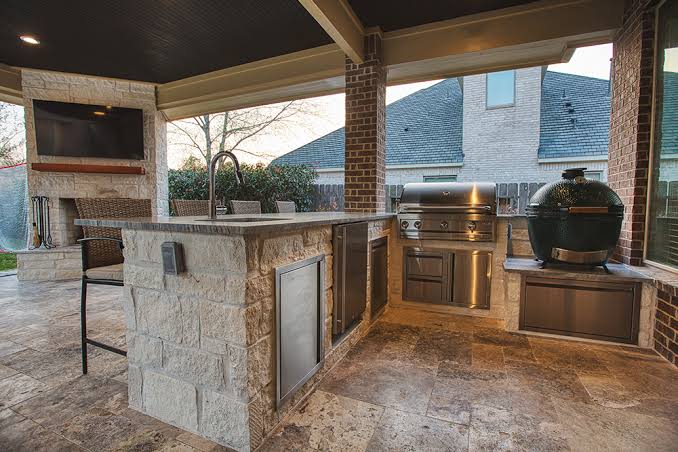
An outdoor kitchen changes how a backyard gets used, turning a patio into the actual gathering point for a summer evening instead of just a place to walk through on the way to somewhere else. But building one that lasts in the Denver Metro area requires more planning than in milder climates, since Colorado's combination of intense high-altitude sun, heavy winter snow load, and dramatic temperature swings between seasons puts real stress on materials and equipment that weren't designed with this climate in mind.
Why Colorado's Climate Demands Different Planning
Thornton and the broader Denver Metro area sit at high elevation, which means UV exposure is significantly more intense than at sea level, even on cooler days. This accelerates wear on countertops, cabinetry finishes, and any materials not specifically rated for high-UV environments. At the same time, Colorado winters bring real snow accumulation and repeated freeze-thaw cycles that can crack improperly sealed materials or damage appliances not properly winterized each year.
Choosing Materials That Handle Both Extremes
Natural stone veneer, concrete block construction, and stainless steel appliances rated for genuine outdoor use hold up far better here than budget "outdoor kitchen kit" products designed for milder climates. We steer clients away from materials that look fine in a showroom in July but crack or corrode after a single Colorado winter, since the freeze-thaw cycle here is more aggressive than in warmer regions where these products are often designed and marketed.
Layout Built Around How You Actually Cook
A functional outdoor kitchen is organized around a cooking, prep, and storage workflow rather than just a grill bolted onto a countertop. We typically design around an L-shaped or straight-line layout depending on available patio space, positioning the grill, side burner, and prep counter so whoever's cooking isn't constantly walking back into the house for something forgotten.
Covering the Investment
Given Colorado's intense sun and unpredictable afternoon weather, especially the sudden hailstorms and thunderstorms common along the Front Range in summer, we often pair outdoor kitchens with a pergola, timber-frame roof structure, or retractable awning. This isn't just about comfort for whoever's cooking — it meaningfully extends the life of every appliance and surface underneath by reducing direct UV and precipitation exposure.
Planning for a Shorter Outdoor Season
Unlike warmer climates where an outdoor kitchen gets used nearly year-round, Colorado's outdoor season is more compressed, which makes proper winterization even more important. Water lines, if included, need to be properly drained each fall, and appliances need protective covers or storage plans that account for heavy snow load sitting directly on top of equipment for extended periods.
Why Professional Planning Matters Here
An outdoor kitchen built without accounting for elevation, UV intensity, and Colorado's winter conditions often shows serious wear within just a season or two. Getting the foundation, material selection, and winterization plan right from the start is what separates an outdoor kitchen that lasts for decades from one that needs significant repair within just a few years.
The team at Red Rock Outdoor Living designs outdoor kitchens across Thornton and the Denver Metro area built specifically for our elevation, sun exposure, and winter conditions, not adapted from a design meant for a different climate entirely.

Ready to build an outdoor kitchen that actually holds up here? Reach out to Red Rock Outdoor Living today.


.svg)
.svg)